VPS versus cloud hosting: Choosing the right hosting solution for your website is a critical decision that can significantly impact its performance, scalability, and profitability. Two popular options in the hosting landscape are Virtual Private Servers (VPS) and cloud hosting: VPS vs. Cloud Hosting. In this article, we’ll explore the differences, advantages, and use cases of VPS and cloud hosting to help you make an informed decision for your online presence.
VPS Hosting
What is VPS hosting?
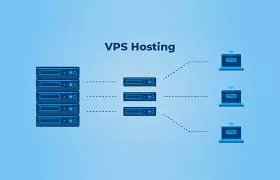
Virtual Private Server (VPSVirtual hosting involves a physical server divided into several virtual machines that use virtualization technology. Each VPS operates independently with its own dedicated resources, such as CPU, RAM, and storage, giving users greater control and customization compared to shared hosting.
VPS vs cloud hosting: advantages of VPS hosting
- Cost-effective control . VPS hosting offers a balance between cost-effectiveness and customization. You have more control over server settings compared to shared hosting, making it suitable for websites with moderate traffic and specific requirements.
- Resource isolation . VPS hosting provides dedicated resources, ensuring that your website’s performance is less affected by the activities of neighboring websites, resulting in greater stability and reliability.
- Global . While not as scalable as cloud hosting, VPS hosting allows for vertical scaling by upgrading your virtual server resources as your website grows.
- Enhanced security . Because VPS instances are isolated, they offer greater security compared to shared hosting. You can also implement additional security measures as needed.
cloud Hosting
What is Cloud Hosting?
Cloud hosting relies on a network of virtual servers that leverage a vast pool of computing resources. Instead of depending on a single physical server, your website’s data and applications are distributed across multiple servers, providing redundancy and high availability.
Advantages of cloud hosting
- Global . Cloud hosting is highly scalable, allowing you to quickly and easily adjust resources (CPU, RAM, storage) as your website’s demands fluctuate. This scalability is ideal for websites experiencing rapid or unpredictable growth.
- Redundancy and reliability . Cloud hosting offers redundancy by distributing data across multiple servers and locations. This redundancy ensures high availability, minimizes downtime, and increases reliability.
- Pay-as-you-go . With cloud hosting, you only pay for the resources you use, making it cost-effective for businesses of all sizes. This pay-as-you-go model eliminates the need for large upfront investments.
- Global reach . Cloud providers typically have data centers in multiple geographic locations, allowing you to deliver your website content from servers closest to your target audience, improving loading times.
VPS vs cloud hosting: use cases
- Choose VPS hosting if:
- It has a modest budget and specific server requirements.
- Your website has predictable resource and traffic needs.
- He prefers a traditional accommodation environment with greater control.
Summary of VPS use cases:
- Web hosting: Host websites, blogs, and e-commerce stores.
- Development and testing: Creating and testing applications and websites.
- Web applications and APIs: Hosting web-based services and APIs.
- Email servers: Customize and secure your email hosting.
- Game servers: Ensures smooth gaming experiences.
- Content Delivery Networks (CDNs): Accelerate content delivery globally.
- File hosting and cloud storage: Store and share files securely.
- Reseller Hosting: Providing customized shared hosting services.
- Database hosting: Host databases with performance and security.
- VPN and Proxy Servers: Set up private and secure browsing.
- Remote Desktop and VDI: Access desktops remotely.
- Backup and disaster recovery: Ensure data backup and recovery.
- Choose cloud hosting if:
- Your website experiences fluctuating or unpredictable traffic.
- High availability and uptime are critical to your business.
- You want a flexible and scalable hosting solution without large upfront costs.
The following is a summary of cloud hosting use cases:
- Web hosting: Host websites for scalability and reliability. VPS versus cloud hosting
- Web applications: Deploy scalable web applications and services.
- Data storage and backup: Store data and backups securely.
- Big Data and analytics: Process and analyze large datasets.
- Content Delivery Networks (CDNs): Distribute content globally for faster loading.
- Disaster recovery: Ensuring data recovery and business continuity.
- E-commerce and online stores: Handle traffic spikes and scale as needed.
- DevOps and continuous integration: Optimize development and deployment.
- Test environments: Create flexible and scalable test setups.
- IoT and mobile applications: Supporting the backend needs of mobile and IoT applications.
- Machine learning and AI: Train and deploy machine learning models.
- Video and media streaming: Stream video and multimedia content.
VPS versus cloud hosting: conclusion
VPS versus cloud hosting: In the debate between VPS and Cloud Hosting, there’s no one-size-fits-all answer. Your choice should align with your website’s specific needs, budget, and growth expectations. VPS hosting is an excellent option for those who require control, stability, and cost-effectiveness. On the other hand, cloud hosting is ideal for businesses seeking scalability, redundancy, and flexibility. Carefully evaluate your requirements and consider consulting with hosting providers to determine the best option for your website’s success.
The choice between VPS (virtual private server) hosting and cloud hosting depends on your specific needs and priorities.VPSIt offers dedicated resources at a fixed cost, making it an excellent option if you have predictable traffic and a limited budget. It provides a level of customization and control ideal for users with specialized software or configurations.
On the other hand, cloud hosting is designed to offer scalability, high availability, and flexible pricing. It’s perfect for fast-growing websites or applications with varying resource demands. The “pay-as-you-go” model of cloud hosting ensures you only pay for the resources you use, making it a cost-effective option, especially for startups. VPS versus cloud hosting
VPS vs Cloud Hosting: The choice is yours
Cloud hosting also offers redundancy through distributed data centers, minimizing downtime and ensuring the reliability of mission-critical applications. Furthermore, its global reach allows you to deliver content from servers closest to your target audience, enhancing the user experience.
Ultimately, the choice between VPS and cloud hosting depends on factors such as your budget, scalability needs, resource stability, and the level of control you require. Evaluate your specific requirements and priorities to make an informed decision that aligns with your goals. VPS versus cloud hosting.