What is cloud hosting?
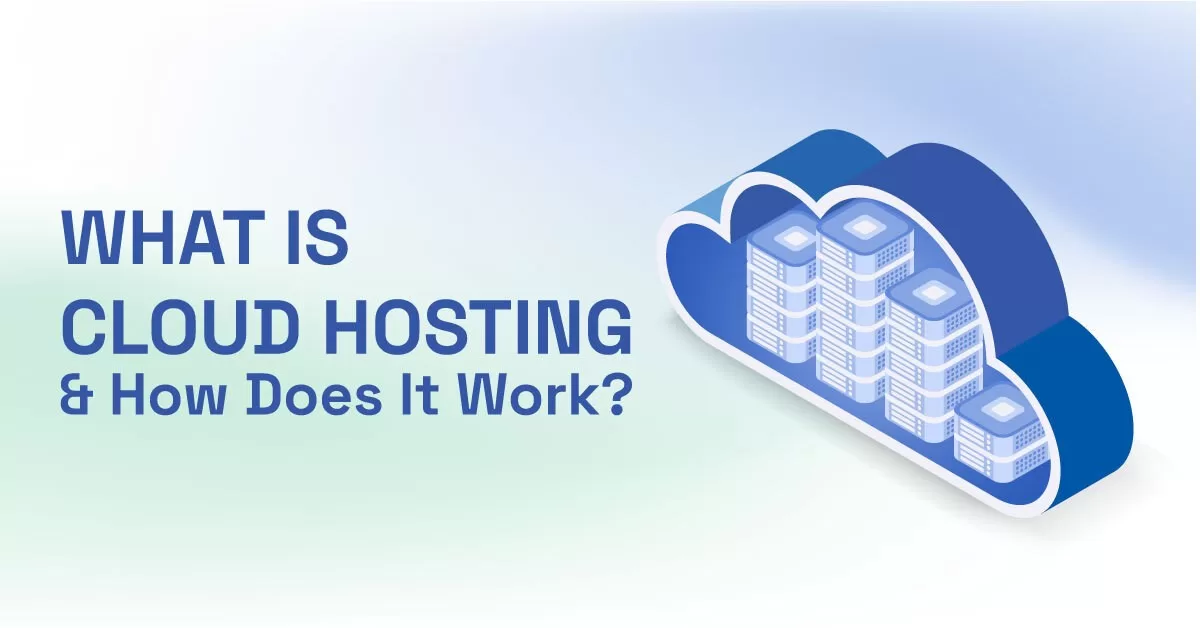
Cloud hosting refers to running your application or website on virtual servers in the cloud. Traditionally, organizations hosted applications on physical servers purchased in on-premises data centers or rented from hosting providers. With cloud hosting, you pay a cloud provider to host your application on a network of physical and virtual servers spanning multiple geographic locations. This method is much more flexible than traditional hosting. You can access computing resources from an existing pool of resources and scale your applications up or down very quickly. Furthermore, you don’t have to worry about provisioning the right amount of resources.
What are the benefits of cloud hosting?
Cloud hosting is a flexible method your organization can use to access resources without a huge upfront cost. This method offers many benefits for businesses that work with a cloud partner.
Scalability
The flexibility of cloud hosting ensures you can always scale your resources to meet demand. Your cloud hosting provider can allocate more or fewer resources as needed. You don’t need to buy new servers or install and maintain them upfront; you only pay for more resources as you scale. Similarly, you don’t pay for cloud services you don’t use when the system is idle.
Availability
Many cloud hosting providers have data centers around the world, which reduces latency and increases availability. They also have additional failover mechanisms to protect their services. Cloud hosting companies also invest in technologies such as load balancers and content delivery networks (CDNs) to ensure that customers can access highly available services and applications. These companies ensure that their applications are highly available and accessible to users in all geographic regions worldwide.
Profitability
The biggest cost of on-premises hosting is investing in new hardware and the necessary infrastructure. Even after this initial cost, you’ll have to pay for ongoing maintenance, which can be expensive. Cloud hosting offers pay-as-you-go systems and eliminates the need for maintenance costs.
Security
Cloud service providers invest heavily in robust security systems and offer high-level security to all their customers. The provider updates and patches its systems to ensure they are always up-to-date with the latest security frameworks. Their commitment to security also allows them to offer a range of disaster recovery options. Leading cloud hosting providers include additional data backup and recovery mechanisms that you can use as supplementary capabilities.
Marketing time
Organizations starting to build their IT infrastructure must wait to configure the physical hardware, test it, and then deploy their new environments. When you use cloud environments, you can integrate new technologies and shorten development cycles. When you use cloud hosting, you can significantly accelerate your time to market.
How does cloud hosting work?
Cloud hosting works thanks to a technology called virtualization , which runs multiple virtual servers on a single physical server. Each virtual machine (VM) has a fixed set of resources, such as memory, storage, and CPU. They can run independently of other virtual machines on the same physical server.
Since each virtual machine is isolated, you can deploy different applications and servers on them without worrying about interference or compatibility. If a virtual machine experiences a traffic spike, it can draw more resources from the pool to stabilize performance.
Cloud hosting providers rent virtual servers to customers for on-demand access. Based on demand, the cloud host allocates various resources and virtual machines. This highly flexible system allows organizations to quickly deploy new VMs, allocate more computing power to existing ones, or scale their IT infrastructure as needed.
Cloud hosting uses virtualization to create a highly efficient and scalable, yet isolated, system. Cloud hosting customers use remote servers to access resources, store and manage data, and use the cloud hosting provider’s services and applications.
What are the types of cloud hosting?
There are four main types of cloud hosting, each of which allocates resources differently and requires different amounts of information from your organization.
Public cloud
Public cloud infrastructure exists when a third-party provider manages all the underlying hardware, computing resources, maintenance, and availability. You don’t need to buy or own any of your own servers and can scale them as needed.
Private cloud
A private cloud is a cloud computing environment that you create and maintain yourself, and that your organization then uses. All underlying computing resources, such as storage, CPU, and memory, are your responsibility. Some companies refer to the private cloud as an internal cloud or corporate cloud .
Hybrid cloud
A hybrid cloud is an IT infrastructure that combines public and private cloud approaches. You can run applications across multiple environments or store data in different locations without sacrificing performance. Your hybrid cloud environment consolidates all available infrastructure and aligns it with third-party resources.
Managed cloud
A managed cloud is one where you work with a third-party public cloud, but allow them to manage all operational practices. For example, the external provider handles monitoring, incident detection, security, backups, patching, cost optimization, and incident response. By partnering with a managed cloud, you gain access to their automation, expertise, and specialized skills. This approach reduces risk while allowing you to focus on your core business functions.
What is the difference between web hosting and cloud hosting?
Web hosting is a general term that refers to a third party providing server space and resources to another business. You can rent this space to host a website, store data, or run an application. Cloud hosting is a specific type of web hosting that uses cloud technology, virtualization, and remote servers to provide servers to businesses.
While cloud hosting services are a form of web hosting, web hosting doesn’t necessarily imply cloud hosting. Web hosting could utilize virtual private servers (VPS), dedicated hosting, and shared hosting instead of cloud technologies.
VPS hosting versus cloud hosting
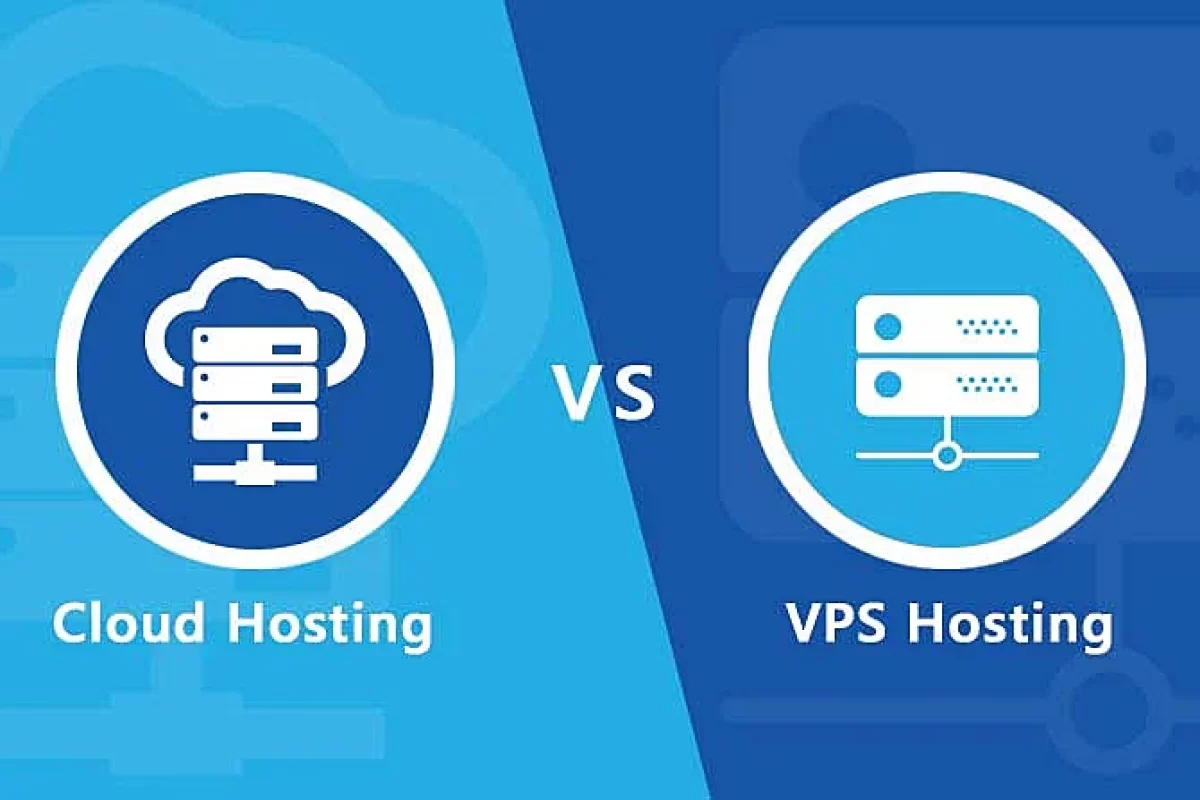
VPS hosting involves virtualizing a physical server to host multiple clients. Each virtualized environment has access to the same resources as a client. Depending on the provider, VPS hosting may not scale to meet demand.
On the other hand, cloud hosting utilizes a variety of different servers in the cloud simultaneously. As these servers pool their resources, you can review the allocated amount and draw more from the pool. Another cloud server will provide the additional resources you need. Cloud hosting solutions are much more flexible than VPSs. However, cloud VPS hosting is also an option. And so, you get a VPS server in the cloud.
Dedicated hosting versus cloud hosting
A dedicated server is a single physical device in a data center. When you purchase a dedicated server, you become the only one with access to that server. These servers do not use virtualization and rely on physical hardware. You get a high level of security and high performance because you don’t share resources with other users. However, they are more expensive compared to cloud-hosting.
Cloud servers offer a pay-as-you-go billing method that requires no initial hardware setup. You can create an optimal configuration without owning the underlying server you’re working with.
Shared hosting versus cloud hosting
Shared hosting is where many businesses or websites share a server and all its resources. Because these resources are shared, it will be slower than dedicated or cloud-hosting. However, shared hosting is less expensive and much more affordable than other types of hosting.
Cloud-hosting uses virtualization to provide partners with their own dedicated space. Because it doesn’t require sharing resources with others, it’s a more powerful form of hosting.